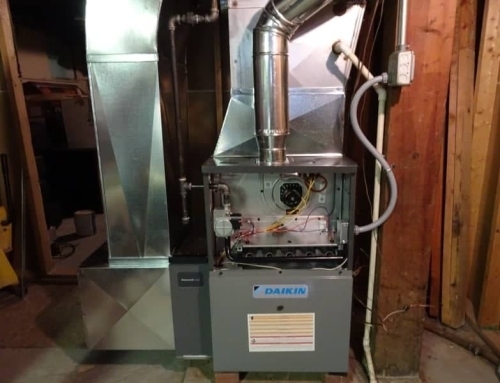

A furnace may blow cool air because the thermostat fan is set to On between heating cycles, airflow is restricted, or the furnace has a heating fault. Brief cool airflow and a home that never reaches its set temperature are different situations. Check the thermostat and the filter according to the equipment manual, then arrange professional furnace repair if the home is not warming up or the problem returns.
Start With the Thermostat
Confirm that the thermostat is set to Heat and the target temperature is above the room temperature. Check the fan setting, too. On many systems, “On” keeps the blower running between heating cycles, so air can feel cool even when there is no call for heat. “Auto” normally runs the fan with the heating cycle. Carrier discusses these settings in its furnace cold-air guide.
Check the Filter and Airflow
A dirty filter can restrict airflow. Our guide to choosing the right air filter explains what to consider when selecting a replacement. Inspect or replace it only as directed by your equipment manual, using the correct size and type. Keep supply registers and return grilles clear of furniture and rugs. Do not operate the furnace without its filter or remove panels to troubleshoot internal components.
Notice When the Air Turns Cold
Before you call, make a few notes:
- Does the home eventually reach the thermostat setting?
- Is the air cool only between cycles, or throughout every heating call?
- Does the furnace start and stop repeatedly?
- Is the problem in every room or only one area?
- When was the filter last changed and the system last serviced?
These details help a technician distinguish a control or airflow concern from a problem that needs equipment repair. They also make it easier to explain an intermittent symptom that may not occur during the visit.
Leave Internal Furnace Repairs to a Professional
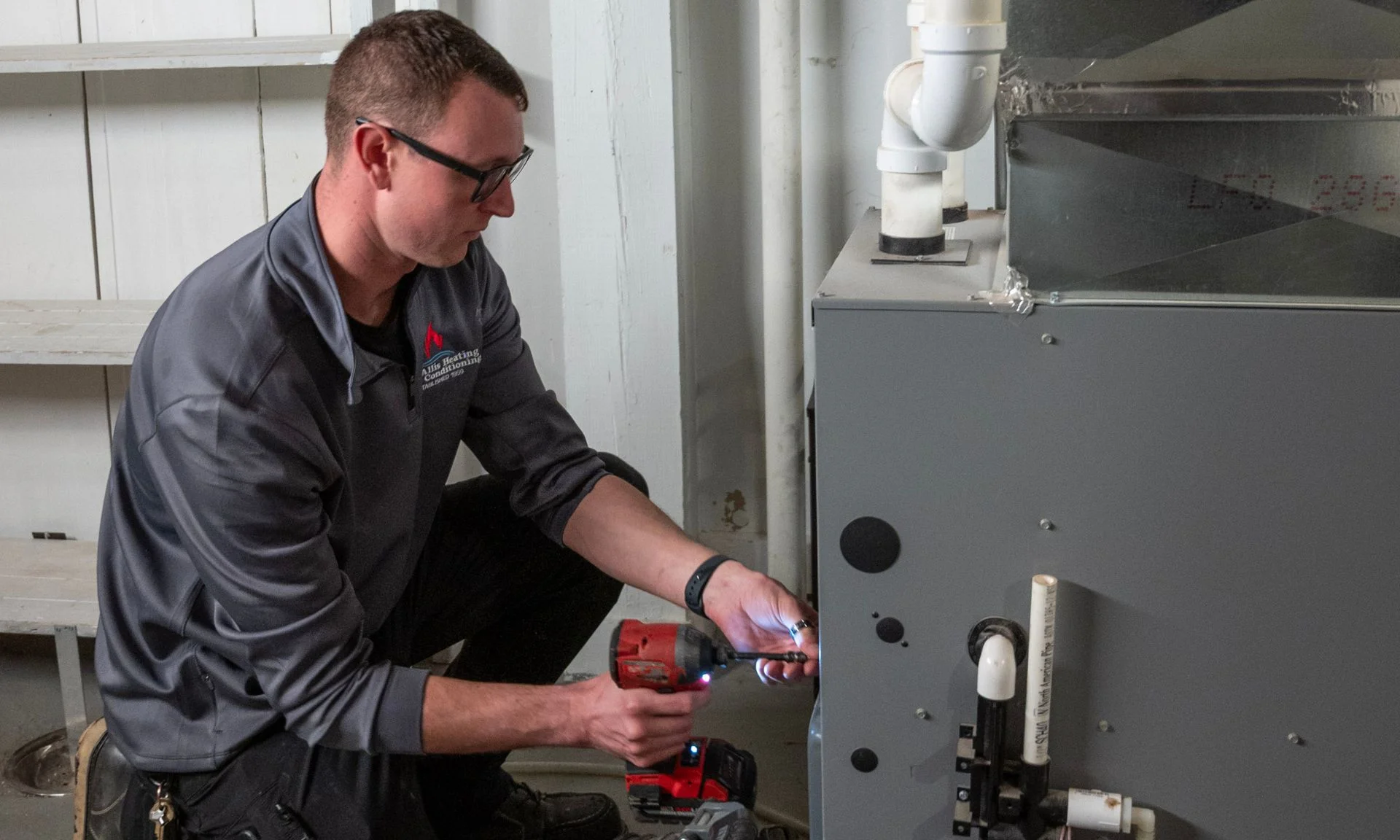
If basic settings and the filter do not explain the problem, arrange an inspection. Avoid repeated resets, bypassing safety controls or attempting work on gas, electrical or ignition components. A technician can evaluate the system and explain the repair options.
If you smell gas or a carbon monoxide alarm sounds, leave the building and contact emergency services or your gas utility from a safe location. Do not wait for an online service request to be answered.
Get Ahead of Milwaukee’s Cold Weather
September is a useful time to test your heating system and schedule furnace maintenance before winter demand increases. Tell the technician about rooms that stayed cold last season, new noises or past service issues. Check our current promotions when arranging your visit.
Compare the Room Temperature With the Thermostat Setting
The feel of air at one vent is only part of the story. Note the room temperature shown on the thermostat and whether it rises during a heating call. Write down the time and the set temperature rather than repeatedly increasing the setting. If the home is getting colder, explain that when requesting service so the team understands the loss of heat.
A schedule or a recent thermostat adjustment may also help explain when you first noticed the problem. Check the displayed mode and schedule without changing installer settings. If you use an app, compare its displayed settings with the thermostat. Mention any recent thermostat replacement, power interruption or change in household schedules to the technician.
Is One Room Cold, or Is the Whole House Affected?
Before assuming the furnace is the only issue, describe which rooms feel uncomfortable. A cold upstairs bedroom while other rooms reach the set temperature is useful information. So is weak airflow throughout the home. Keep accessible vents clear, but leave duct alterations and equipment adjustments to a professional.
Make a short list of the affected rooms and note whether the pattern changes with open doors, windy weather or different times of day. You do not need to diagnose a duct or control problem yourself. These observations give the technician a clearer starting point and help you discuss comfort concerns alongside the immediate repair.
Prepare for a Furnace Service Visit
Have the equipment model, approximate age and any previous service paperwork available if you can obtain them without removing a panel. Clear stored belongings from the normal access path. If an error message is visible on an external display, record the wording or take a photo; do not open the furnace to look for one.
Ask what the inspection found, which work addresses the loss of heat and whether any other recommendations are optional. Request an explanation of the proposed repair and its cost before authorizing the work. If replacement is suggested, ask why repairing the existing equipment may be less suitable. Our heating services overview can help you compare the available service categories.
Once the immediate problem is resolved, keep the service notes with your filter information. A record of symptoms, dates and completed work is helpful if the concern returns. Maintenance planning can then focus on your equipment and household needs instead of relying on a generic replacement schedule.
Cold-Air Furnace Questions
Book Furnace Repair in Milwaukee
West Allis Heating, Cooling, Plumbing & Electrical can help you understand why your furnace is not keeping up. Book Now for furnace repair, or call (414) 246-1160 for urgent loss of heat.