
Choosing between an electric and gas furnace in West Allis starts with your home, your available utilities, and the cost of delivering heat through a Wisconsin winter. Both can warm a home when properly sized and installed. The better fit depends on installation requirements, ongoing energy costs, and whether you also want to compare a heat pump.
How Electric and Gas Furnaces Work
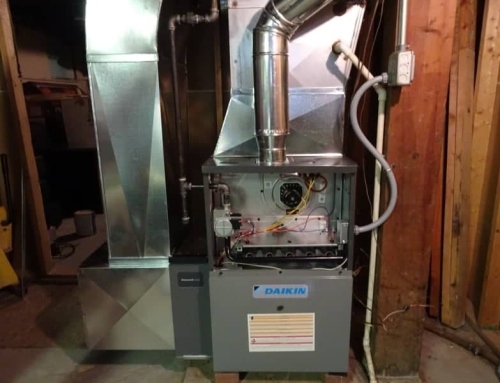
An electric resistance furnace heats air with electric heating elements and uses a blower to send that air through the ducts. A gas furnace burns fuel and transfers heat to the circulating air through a heat exchanger, while combustion exhaust is vented outdoors. Both rely on electrical components, so a gas furnace generally will not operate during a power outage without a suitable backup power arrangement.
Electric vs. Gas Furnace: What to Compare
| Consideration | Electric resistance furnace | Gas furnace |
|---|---|---|
| Energy source | Electricity powers heating elements and the blower. | Gas supplies heat; electricity powers controls and the blower. |
| Installation needs | Adequate electrical capacity, compatible wiring, and suitable ducts. | Gas service, suitable venting, and compatible ducts; some systems also need condensate drainage. |
| Operating cost | Depends on electricity rates and the home’s heating demand. | Depends on fuel rates, furnace efficiency, and the home’s heating demand. |
| Maintenance | Filter, blower, electrical, and airflow checks. | Filter and airflow checks plus combustion, heat exchanger, and venting inspection. |
Efficiency Ratings Do Not Tell the Whole Cost Story
A furnace’s efficiency describes how it uses energy, but your bill also depends on what that energy costs. The Department of Energy explains that annual fuel utilization efficiency, or AFUE, compares useful heat output with energy input over a heating season. Proper installation is essential to achieving the expected performance. See the DOE guide to residential furnaces for more about furnace efficiency.
Ask for an operating-cost comparison using your current gas and electricity rates, realistic heating demand, and the proposed equipment. Do not compare a price per kilowatt-hour directly with a price per therm: they represent different quantities of energy. Include fixed utility charges when they would change after the installation. A low purchase price does not necessarily mean a lower total cost over the years you expect to use the system.
What Matters in a Milwaukee-Area Home?
Before recommending equipment, an installer should evaluate the heating load, duct condition, insulation, and air leakage. A furnace that is too large can cycle frequently, while an undersized system may struggle to keep up. Older homes near West Allis’s established neighborhoods may also need an assessment of electrical capacity or existing venting before a fuel change.
October is a useful time to compare options before winter demand increases. Bring recent utility bills and describe rooms that stay cold or equipment that needs repeated repairs. Ask the installer to separate the equipment price from any electrical, venting, gas-line, or duct changes so you can compare complete proposals.
How Is a Heat Pump Different from an Electric Furnace?
A heat pump uses electricity to move heat instead of producing all of its heat through resistance elements. It can also provide cooling. The Department of Energy’s heat pump overview explains why this approach can use less electricity than electric resistance heating. For a Wisconsin installation, review the selected model’s low-temperature capacity and any backup-heating requirements. A heat pump, an electric furnace, and a heat pump paired with a gas furnace are distinct choices.
Learn about our heat pump services and ductless systems when comparing heating options.
Questions to Ask Before Replacing Your Furnace
- What heating load is the proposed system sized to meet?
- Can my existing ducts and electrical service support it?
- What venting, drainage, or gas-line work is included?
- How were estimated operating costs calculated?
- What maintenance does the equipment require?
- How does a heat pump alternative compare for my home?
Electric and Gas Furnace FAQs
Compare Heating Options for Your West Allis Home
West Allis Heating, Cooling, Plumbing, & Electrical can help you review your home’s needs and available options. Book a heating consultation or explore our heating services. If you are keeping your current furnace, plan seasonal maintenance before heavy winter use.